
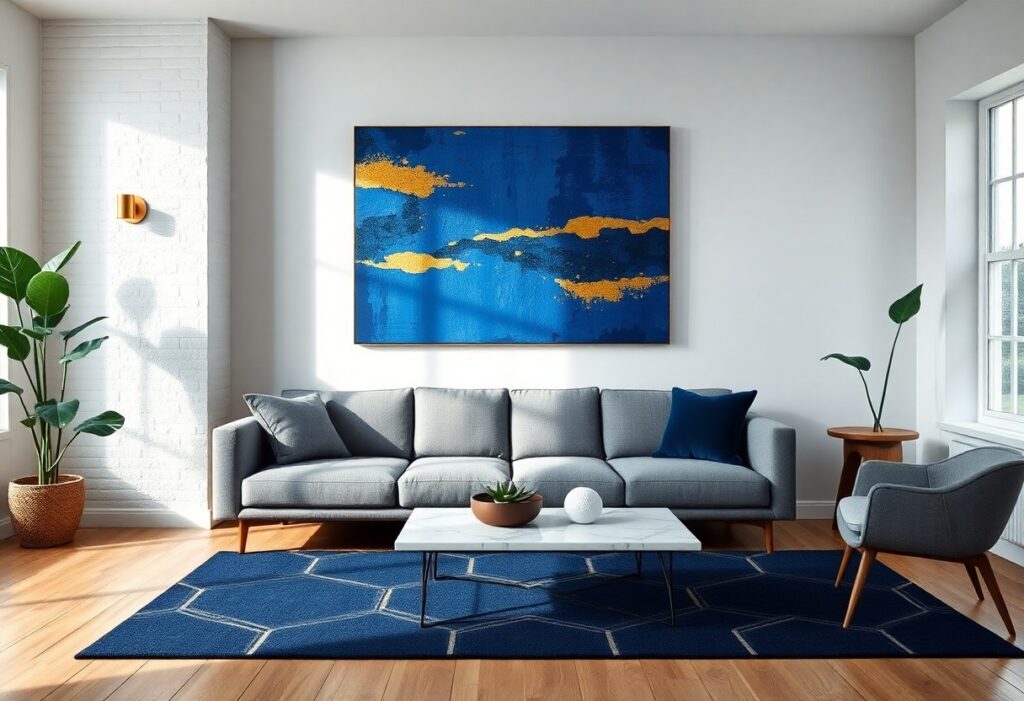
Just one bold piece of art can shift your entire space from平淡 to dramatic. I’ve seen how the right statement artwork influences emotion and energy in a room. When you choose a piece with strong color, scale, or subject, you directly shape the atmosphere. I guide you to pick and place art that reflects your intent-calm, passion, or inspiration-because the wrong choice can overwhelm, while the right one transforms.
Key Takeaways:
- A bold piece of statement artwork can instantly shift the emotional tone of a room-choose colors, subjects, and scale that reflect the mood you want to create, whether it’s calm, energetic, or dramatic.
- Positioning matters: hang statement art at eye level in a focal area, like above a sofa or fireplace, to draw attention and anchor the space with intention.
- Balance the artwork with the room’s existing style-let the piece stand out without clashing, using frames, colors, or themes that connect subtly with your decor.
Identifying Key Factors That Influence Room Ambience
Lighting, furniture arrangement, and wall color all shape how a space feels. I pay close attention to these elements because they directly affect the room’s emotional tone.
- Color influences mood
- Scale impacts visual comfort
- Placement guides focus and flow
Knowing how each factor interacts helps you choose statement artwork that enhances, rather than disrupts, the atmosphere.
Assessing Color Psychology and Emotional Impact
Colors speak without words, triggering distinct emotional responses. I consider how blue calms, red energizes, and yellow uplifts when selecting artwork. Your room’s existing palette either supports or clashes with these signals. Matching artwork hues to your desired mood creates a cohesive, intentional space. Knowing the emotional weight of color ensures your statement piece resonates deeply.
Evaluating Scale and Spatial Relationships
Size matters when anchoring a room with art. I look at wall dimensions and furniture proportions to determine the right artwork scale. A piece too small gets lost; one too large overwhelms. Positioning it at eye level and centering it over key furniture creates balance. Knowing how scale affects perception keeps your room feeling harmonious, not chaotic.
When I evaluate scale and spatial relationships, I step back and study the empty wall like a canvas. I measure the space and compare it to nearby furniture-especially sofas or beds-to ensure the artwork covers about 60-75% of the furniture’s width. This ratio creates visual harmony. I also consider ceiling height; in rooms with high walls, a large piece or gallery arrangement fills the vertical space without crowding. The goal is to make the artwork feel like it belongs, not like it’s competing for attention. Knowing how proportions influence comfort helps me guide your choices with confidence.
How to Choose Art Based on Desired Mood
I always recommend starting with how you want to feel in a space. The Impact Of Fine Art On Your Home’s Mood And … shows that color, subject, and scale directly influence emotions. I’ve seen bold pieces turn dull corners into conversation hubs, while soft tones bring instant calm. Your art should reflect the energy you want to invite.
Selecting Vibrant Compositions for High-Energy Areas
Color wakes up a room. I suggest choosing pieces with bold reds, deep blues, or electric yellows for spaces like kitchens or home gyms. These hues spark movement and conversation. I’ve watched a single abstract painting with dynamic brushwork make a flat dining area feel alive. You’ll feel the shift the moment you walk in.
Opting for Minimalist Works for Serene Environments
Simplicity brings peace. I often pick artwork with clean lines, neutral palettes, or open space for bedrooms or reading nooks. These pieces reduce visual clutter and support relaxation. You’ll notice how a single monochrome print can make a room feel calmer and more intentional without overpowering it.
I’ve found that minimalist art does more than look sleek-it changes how you breathe in a room. When I choose a piece with subtle texture or a quiet composition, it gives your mind space to slow down. The absence of distraction becomes the focus. That quiet power is one of the most effective tools I use to create restful interiors. You don’t need drama to make a statement-sometimes silence speaks loudest.
Strategic Placement Tips for Maximum Visual Impact
Positioning statement artwork correctly transforms how you experience a room.
- Hang pieces at eye level to create natural engagement
- Leave breathing space around artwork to avoid visual clutter
- Align the center of the piece between 57-60 inches from the floor
- Use furniture lines to anchor the composition
Perceiving balance in placement deepens emotional resonance.
Establishing a Focal Point Through Eye-Level Alignment
I always hang statement pieces so the center sits at eye level because it draws you in naturally. When artwork aligns with your natural line of sight, it becomes the room’s anchor. This subtle adjustment makes the space feel intentional and grounded. Perceiving the piece at eye level creates an immediate connection.
Utilizing Lighting Techniques to Enhance Depth and Texture
Lighting reveals what flat illumination hides. I aim adjustable fixtures at artwork to highlight texture and shadow, adding dimension. A well-lit piece pulls your gaze and intensifies mood. Perceiving depth through directed light transforms flat walls into dynamic surfaces.
I use directional track lights or picture lights to cast a 30-degree angle on canvas, which emphasizes brushstrokes and materiality. Dimmable LEDs let you shift the atmosphere from bold to serene. The interplay of light and shadow adds movement, making static art feel alive. Perceiving these subtle shifts keeps the room emotionally responsive over time.
How to Integrate Bold Artwork into Existing Decor
I anchor bold artwork by letting it respond to your room’s current palette and energy. You don’t need to overhaul your space-instead, I guide you to select pieces that either contrast with intent or echo existing tones. A single powerful painting can become the heartbeat of the room when placed where your eye naturally lands. The right placement turns art into conversation, not clutter.
Balancing Statement Pieces with Neutral Elements
I soften the impact of dramatic art by surrounding it with neutral furnishings and textures. You keep the focus on the piece without visual overload. When the walls or furniture stay calm, your artwork commands attention without fighting for space. This contrast creates harmony, not chaos.
Coordinating Frame Styles with Architectural Features
I match frame finishes to nearby hardware-like doorknobs, light fixtures, or baseboards-to create subtle cohesion. You’ll notice how a brass-trimmed frame beside a brass sconce feels intentional, not accidental. This small alignment strengthens the room’s overall flow and makes the art feel built-in.
When I coordinate frame styles with architectural details, I’m not just matching metals or wood tones-I’m creating visual echoes that ground the artwork in the space. You might choose a black metal frame to echo exposed ceiling beams or a slim white frame that mimics trim work. These connections make bold art feel like a natural extension of the room’s design, not a last-minute addition. It’s these quiet alignments that often go unnoticed but deeply influence how comfortable and intentional a space feels.
Essential Factors for Successful Installation
Choosing the right statement artwork means nothing without proper placement and support. I always consider scale, lighting, and wall color to ensure maximum impact. You need to align the piece with your room’s natural focal points. How Wall Art Can Instantly Change the Feel of a Room proves how intentional choices shift energy. Thou can’t ignore these fundamentals if you want lasting transformation.
Determining Optimal Dimensions for Wall Coverage
I assess empty wall space before selecting a piece. Your artwork should occupy 50-75% of the available width for balanced visual weight. Too small, and it looks lost; too large, and it overwhelms. I always measure first-proportion is key to harmony.
Ensuring Structural Support for Large-Scale Mediums
I never hang heavy pieces without checking what’s behind the drywall. Your wall anchors must reach studs or use heavy-duty hardware. A falling artwork isn’t just damaging-it’s dangerous. Safety shapes the success of bold installations.
When I install large-scale works, I prioritize the integrity of both wall and hardware. Drywall alone won’t support a massive canvas or metal piece over time. I use stud finders to locate structural support and choose mounts rated well above the artwork’s weight. Floating shelves, French cleats, or toggle bolts become imperative. You risk injury and property damage if you skip this step-never compromise on security for the sake of speed. Thou must respect both art and architecture.
Expert Tips for Evolving Your Space Over Time
I adapt my interiors by treating statement artwork as a living element.
- Swap pieces seasonally to reflect mood and light
- Use removable hanging systems for easy updates
- Pair bold art with neutral walls to maintain balance
- Invest in frames that suit multiple pieces
Perceiving your walls as dynamic canvases keeps your space feeling fresh and personal.
Rotating Art to Refresh Seasonal Atmosphere
Seasonal shifts invite new emotions, and I align mine by changing artwork. Swapping a vibrant summer landscape for a moody winter scene subtly alters the room’s energy. You don’t need large changes-just one bold piece can redefine warmth or brightness. Perceiving
Layering Accents to Complement the Primary Piece
Texture and tone matter when enhancing a focal artwork. I build around the piece with cushions, rugs, or ceramics that echo its colors or theme. These supporting accents create depth without competing. Perceiving
When I layer accents, I start with the artwork’s most subtle hue-maybe a dusty teal in the corner of a painting-and pull it into a ceramic vase or throw pillow. This creates cohesion, drawing the eye toward the art while enriching the space. Too many bold elements distract, but thoughtful, quiet additions amplify the impact. Your room feels intentional, not overcrowded.
Conclusion
Taking this into account, I’ve seen how a single statement artwork can shift the energy of your space. I choose bold pieces that reflect your personality and place them where they draw attention. You don’t need multiple decorations-your room’s mood changes with one powerful visual. I trust this approach because it works.