
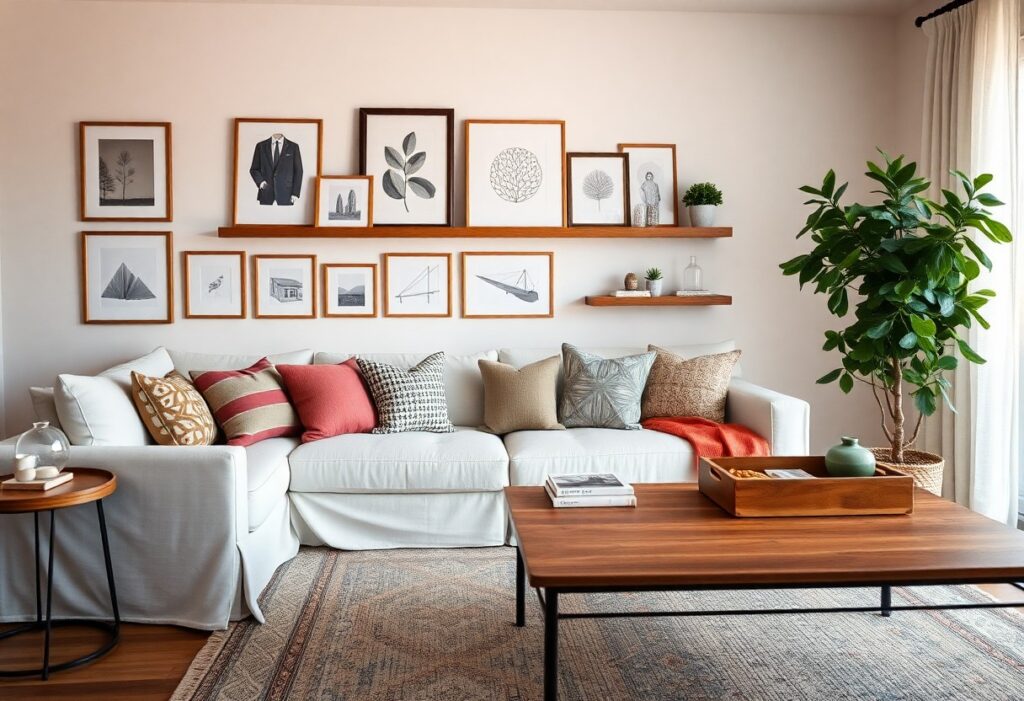
Refresh your space without spending a fortune-I’ve transformed my living room three times in two years and never bought a single new piece. By shifting layouts, deep-cleaning textiles, and using plants strategically, I’ve kept things feeling new. You don’t need expensive upgrades or major renovations to make a dramatic difference-just smart, simple changes that breathe life into your current setup.
Key Takeaways:
- Repositioning existing furniture can dramatically change a room’s flow and function, such as shifting a sofa away from the wall to create a more intimate conversation area.
- A fresh coat of paint on walls or even just the ceiling can transform a space with minimal effort and cost, like using a warm white to make a dim hallway feel airy and inviting.
- Incorporating indoor plants or swapping out throw pillows and rugs introduces texture and life, as seen in a mid-sized SaaS firm’s office lounge that used secondhand textiles and snake plants to refresh its break room.
Mastering the Art of Rearranging
Shifting furniture around can completely transform how a room feels, even if nothing new comes in. I once turned a cramped living area into an open, inviting space just by rotating the sofa away from the wall. Small changes like angling a bookshelf or placing a chair by the window invite new ways to use the room. After rethinking layouts, I noticed conversations flowed easier and natural light reached corners it never touched before.
How-to find a better flow in your living room
Start by mapping how people move through the space-do they bump into tables or walk around clusters of chairs? I found that pulling seating slightly inward, rather than lining walls, created a more natural gathering point. A clear path from door to window also makes the room feel more open. After optimizing traffic patterns, the room felt larger and more welcoming.
Tips for creating cozy zones with what you already own
- Use a favorite armchair and floor lamp to form a quiet reading nook
- Layer throw blankets and cushions from other rooms for warmth
- Place a small side table within reach to hold tea or a book
- Add a rug under a corner grouping to define the space
I love turning overlooked corners into intimate spots using pieces already in rotation. After repurposing existing furniture and softening the lighting, these mini-zones became my favorite places to unwind.
Tackling the Decluttering Factor
Clearing out clutter instantly makes a room feel larger and more inviting. I often find that removing just a few overcrowded items brings immediate calm. For simple ideas for refreshing your house without buying new things, Simple ideas for refreshing your house without spending a bean offers smart, no-cost inspiration anyone can try.
Factors to consider when clearing out visual noise
Surface balance, item function, and visual weight shape how cluttered a space feels. I assess whether each object serves a purpose or brings joy. Grouping similar items creates cohesion. The fewer competing shapes and colors on display, the more restful the room becomes.
- Surface balance prevents overcrowding
- Item function determines necessity
- Visual weight affects perceived clutter
How-to organize your surfaces for a polished look
I start by removing everything from a shelf or tabletop, then return only what I truly like or use. Grouping items by type-like books, candles, or ceramics-creates rhythm. I leave open space between clusters so the eye can rest. The result feels intentional, not overcrowded.
Giving Your Walls a Quick Makeover
I’ve found that shifting artwork or adding a fresh coat of paint can transform a room without spending much. Even rearranging what you already own creates a new vibe. A can of leftover paint from the garage gave my hallway a surprising lift, and you’ll be amazed at how color changes perception. After repainting, the space felt larger and more inviting.
Tips for hanging a gallery wall with existing art
Start by laying out your frames on the floor to test arrangements. Mix sizes and orientations for visual interest, and keep spacing consistent-about two to three inches between each. Use painter’s tape to mark positions and avoid unnecessary holes. Group pieces that share a color or theme to create cohesion. After arranging, step back and adjust until it feels balanced.
- Use frames you already own to keep costs low
- Include a mix of photos, prints, and small mirrors for variety
- Hang at eye level for the most natural viewing experience
How-to refresh your view using mirrors and frames
Placing a mirror opposite a window multiplies natural light and makes the room feel more open. I once leaned a tall, ornate mirror against a blank wall and instantly changed the room’s energy. Even secondhand frames can look fresh with a quick wipe and new backing. After styling, the space looked brighter and more intentional.
One trick I use is layering a smaller mirror inside a larger frame for depth. It gives the illusion of a custom piece without the price. Positioning mirrors to reflect greenery or artwork draws attention to your favorite spots. A well-placed mirror doesn’t just reflect-it redefines the space by highlighting what’s already beautiful.
Softening the Space with Textiles
I often turn to textiles when a room feels too sharp or impersonal. Swapping out stiff curtains for lightweight linen or adding a chunky knit throw can instantly warm things up. One of my favorite tricks is rotating pillow covers seasonally-velvet in winter, cotton in summer. For more inspiration, check out this guide on 5 Easy Ways to Refresh a Room Without Buying New Furniture.
Factors that make your old sofa feel brand new
Freshening up a tired sofa doesn’t always mean reupholstering. I’ve seen faded cushions come alive with patterned slipcovers, and sagging frames masked by strategic throw placement. Cleaning the fabric deeply removes years of buildup, while replacing worn cushion inserts restores shape. Recognizing which elements contribute most to wear helps prioritize affordable fixes over costly replacements.
Tips for layering rugs and blankets for extra comfort
- Use a textured jute base under a softer wool rug
- Drape a chunky cable throw over one arm of the sofa
- Mix neutral tones with one bold accent color
- Anchor layers with a non-slip pad to prevent shifting
Knowing how to combine materials and sizes prevents a cluttered look while boosting coziness.
Layering isn’t just about piling on fabric-it’s about creating depth. I start with a larger flatweave rug, then top it with a smaller handwoven kilim near the seating area. On the sofa, I fold a cashmere-blend blanket at the back, leaving it accessible but tidy. Adding a fuzzy accent rug beside the bed enhances barefoot comfort. Knowing where each layer serves both form and function keeps the space inviting without feeling overloaded.
Brightening Up Your Atmosphere
I’ve found that shifting how light moves through a room instantly changes how it feels. Natural light lifts the mood, while well-placed lamps add warmth when the sun goes down. Even on cloudy days, a thoughtful lighting setup keeps the space feeling open and inviting. Small tweaks make a big difference in how alive a room seems.
How-to use natural light to your advantage
Sheer curtains let sunlight flood in without sacrificing privacy, and I always keep windows clean to maximize brightness. Mirrors across from windows bounce light deeper into the room. I’ve placed a glass tray on my coffee table just to reflect more glow. Natural light feels best when nothing blocks its path.
Factors that help you choose the right mood lighting
Your daily routines, room size, and ceiling height all shape what kind of lighting works. A low-watt bulb might cozy up a bedroom but fail in a kitchen. I consider how much ambient light I already have, where I need task lighting, and where accent lights can highlight decor. Assume that one fixture never fits all needs.
- Ambient light sets the overall tone
- Task lighting supports activities like reading or cooking
- Accent lights draw attention to art or shelves
- Color temperature affects how warm or cool the space feels
- Dimmer switches offer flexibility across times of day
I once replaced a harsh overhead bulb with a warm floor lamp and immediately noticed how much more relaxed I felt in the corner. Layering light sources gives me control over the room’s personality. Choosing bulbs with adjustable tones lets me shift from energizing to calming with a switch. Assume that lighting is the quietest, most powerful design tool you already own.
Bringing the Outdoors Inside
I’ve found that adding natural elements instantly refreshes a room without requiring new furniture. A few well-placed houseplants or a bowl of smooth stones can create a calming effect. Even opening the windows more often lets in fresh air and sunlight, making the space feel alive. Nature brings texture, color, and energy you can’t replicate with store-bought decor.
Tips for styling house plants in every corner
Grouping plants at different heights adds visual interest and mimics how greenery grows in nature. I use ceramic pots, hanging planters, and even repurposed mason jars to vary the look. Trailing vines on shelves or desks draw the eye upward, making rooms feel taller. The
- mix of foliage types like fiddle leaf figs, pothos, and snake plants creates depth
- placement near natural light sources keeps them thriving
- use of pebble trays adds humidity and a polished touch
How-to use found natural objects as beautiful decor
I often collect interesting stones, pinecones, or driftwood during walks and display them in simple glass jars or on shelves. These free finds add unique character and a personal story to my space. Arranging them in clusters creates small moments of surprise. The
last time I visited the coast, I brought home a handful of sea glass and arranged it in a shallow wooden bowl on my coffee table. It catches the afternoon light and shifts in color throughout the day. I also line up smooth river stones along the windowsill in the bathroom, where they echo the feel of a spa. These small touches connect my home to the places I love, without spending a dime.
To wrap up
I’ve refreshed my space without buying a single new piece, and you can too. Swapping layouts, deep-cleaning corners, and adding a few plants made my living room feel brand new. One coat of paint on an accent wall, along with my grandmother’s old curtains refitted for the dining area, brought in warmth and personality. It’s amazing how small, thoughtful changes can completely transform your home’s vibe.