
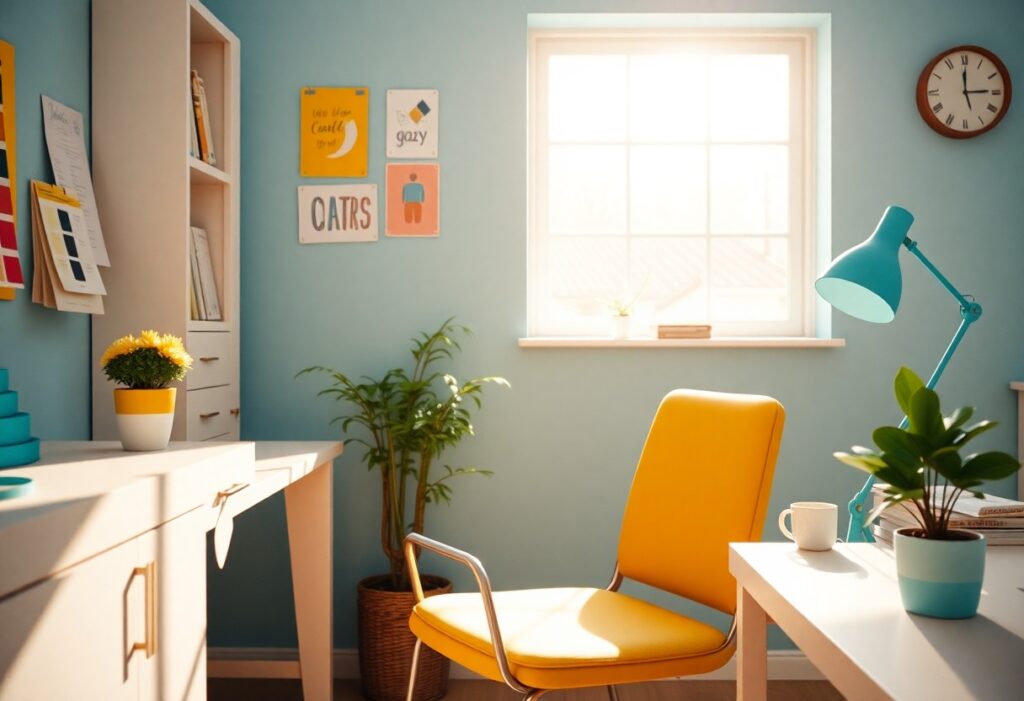
Colors influence your emotions more than you might realize. I’ve studied how specific hues affect brain chemistry, and blue can reduce stress, while yellow may boost your energy. Even small changes, like a red mug or green wall, can shift your mood. I’ll show you how to use color intentionally to support your daily well-being.
Key Takeaways:
- Color can influence emotions and energy levels-warm tones like yellow and orange may boost alertness and optimism, while cool shades like blue and green often promote calm and relaxation.
- Personal and cultural associations with color play a big role in how it affects mood, meaning the same color might energize one person and soothe another.
- Small changes in your environment, like adding a pop of a preferred color to your workspace or wardrobe, can have a measurable impact on daily feelings and mindset.
The Psychology of the Palette
I’ve learned that colors don’t just decorate your world-they shape how you feel each day. Red can raise your heart rate and energy, while soft blues often calm your nervous system. I notice how even small changes, like switching to a warm yellow lamp, shift your focus and mood. Your eyes absorb these signals before your mind even processes them, making your environment a silent emotional guide.
The Domestic Canvas
Choosing Calm for Your Living Room
I’ve found that soft blues and gentle greens in my living room bring a noticeable sense of calm each time I walk in. You don’t need bold statements to shift your mood-subtle tones can do the heavy lifting. When you surround yourself with colors that breathe, your body often follows.
Wardrobe Whispers
I’ve noticed how the colors I choose each morning quietly shape my mindset. You don’t need bold statements-soft blues calm, while a pop of yellow can lift your mood before you even step outside. Exploring the Psychology of Color: How Shades Affect Your Mood showed me that your wardrobe speaks to your emotions in subtle, powerful ways.

Light and Perception
I’ve noticed how natural light shifts the way you experience color in a room-what looks calm at noon can feel dull by dusk. Your eyes interpret hues differently depending on light quality, and this directly impacts your mood. Soft whites and pastels often amplify brightness, creating a more uplifting atmosphere. To understand how this works, I recommend exploring Color Psychology: How Room Colors Affect Your Mood, where light and emotion are closely linked.
Professional Pigmentation
I’ve studied how trained color specialists use precise pigments to influence environments. Your workspace doesn’t just reflect your style-it shapes your emotional response. I once adjusted the hue of a client’s office from cool gray to a warm terracotta, and within days, they reported sharper focus and less afternoon fatigue. Even subtle shifts in tone can trigger measurable changes in mood and energy.
Personal Preferences
I’ve found that your favorite colors often reveal more than just style-they reflect emotional instincts. What feels calming to you might energize someone else, proving there’s no universal rule. I trust my gut when choosing wardrobe or wall colors, and you should too. Personal connection to a hue can override general color psychology, making your unique response the most important factor.
Summing up
Following this exploration, I see how color influences your emotions more than you might expect. I notice that warm tones like yellow or soft orange often lift your spirits, while cooler shades like blue can calm your mind. I’ve found that small changes in your environment’s colors can support a better daily mood. You don’t need dramatic shifts-just intentional choices.