
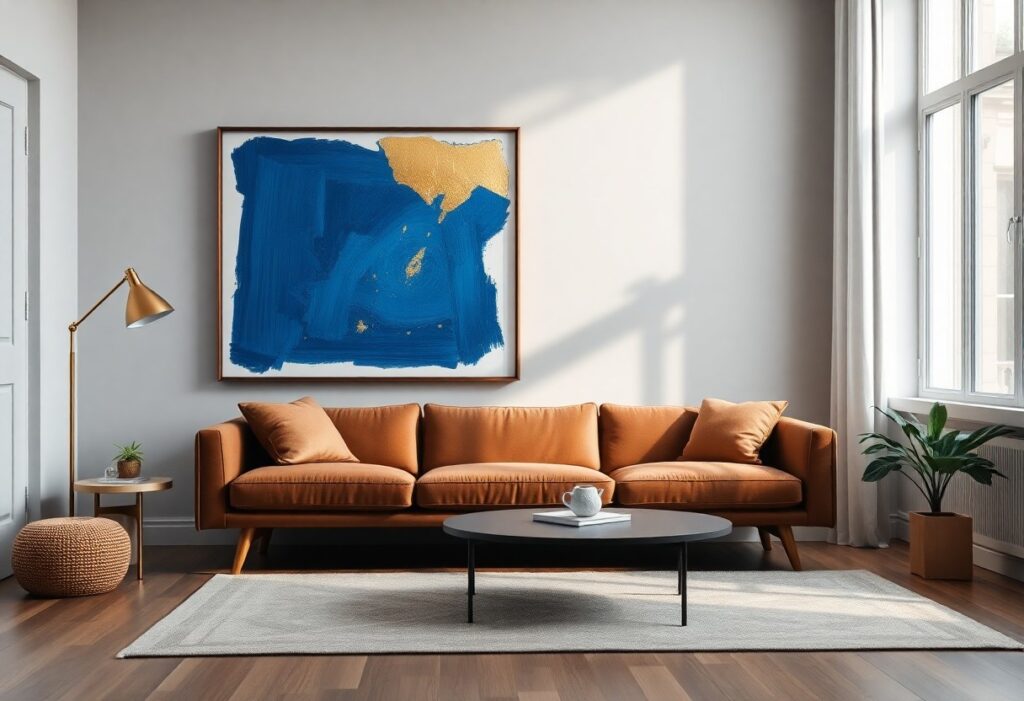
Many overlook how powerfully a single piece of art can shift the mood of your space. I’ve seen neutral rooms come alive with color and emotion simply through thoughtful artwork. You don’t need a large budget-just intention. The right piece can create calm, energy, or even a sense of danger, depending on its tone and placement.
Key Takeaways:
- Artwork influences mood by introducing color, texture, and subject matter that can make a room feel calm, energetic, or personal.
- The size and placement of art affect spatial perception-large pieces can anchor a space, while smaller arrangements invite closer attention and intimacy.
- Personal connection to artwork enhances emotional impact, turning a room from visually appealing to genuinely meaningful.
The Sorcery of Color
I’ve watched neutral walls come alive with a single bold canvas. Color in artwork doesn’t just decorate-it transforms. I’ve seen it shift moods, alter perceptions, and reshape the emotional temperature of entire spaces. A room isn’t just painted; it’s spoken to through the hues you choose to display.
The Audacity of Scarlet
Scarlet demands attention. I’ve placed a crimson abstract in a quiet study and watched how quickly the energy shifted. You feel it before you even process it-a pulse of warmth, confidence, even passion. This isn’t a color that blends; it leads.
The Melancholy of Azure
Azure pulls you into stillness. I once hung a cool blue seascape in a sunlit lounge and noticed how conversations softened, movements slowed. There’s a quiet depth in its tone, a reflective calm that invites introspection without heaviness.
What makes azure so effective is its ability to balance emotion. I don’t use it to sadden a room but to deepen it. You don’t lose brightness-natural light dances across its tones-but you gain a sense of grounded serenity. In my own living space, a single azure-centered piece became the anchor, the place your eyes return to when the world feels too loud. It’s not escape. It’s emotional clarity.
The Arrogance of Dimension
Scale speaks before you do. I’ve watched guests fall silent entering a room dominated by a towering canvas, its presence overpowering conversation like a monolith. You don’t choose large art-it chooses you, demanding space, attention, emotional surrender. Some fill voids with size to mask emptiness, but true impact lies in intention, not square footage.
Large Canvases for Small Souls
Size doesn’t measure depth. I’ve seen massive paintings that say nothing, their scale a shield for artistic insecurity. You might hang a giant piece to impress, but it often reveals more about your doubts than your taste. A room feels heavier under hollow grandeur.
The Intimacy of Tiny Ink
Small ink drawings pull you close, asking for patience. I notice how you lean in, how your breath slows-this is art that respects your presence rather than commands it. Their quiet detail fosters connection, not spectacle.
What moves me most about tiny ink works is how they transform overlooked corners into sacred spots. I’ve placed a 3×3 inch piece in a dim hallway and watched you pause daily, drawn by its precision and restraint. These modest works often hold the deepest resonance, their intimacy creating a private dialogue between you and the artist, unmediated by drama or scale.
The Soul of the Subject
I believe the subject of a painting speaks directly to your emotions. A cluttered cityscape may stir tension, while a quiet forest invites calm. Art carries emotional weight-it doesn’t just fill space, it transforms it. Wondering do paintings change the energy of a room? The answer lies in what you choose to hang.
Pastoral Lies and Peace
Peace often arrives disguised as a painted meadow or a still lakeside scene. I’ve watched guests relax instantly near soft landscapes, even if the serenity is fictional. These pastoral lies comfort you, offering escape from urban stress through gentle color and familiar nature.
Abstract Truths and Chaos
Chaos in art doesn’t mean disorder-it can spark energy and provoke thought. I feel more alert in rooms with bold abstracts, their jagged lines and clashing hues demanding attention. This controlled chaos activates your mind, turning passive spaces into dynamic environments.
Abstract art bypasses realism to tap into raw emotion. I’ve seen how a single expressionist piece can shift a room from static to electric. The lack of recognizable forms forces you to engage differently, interpreting color, texture, and movement on a personal level. It’s not about comfort-it’s about connection, and that can redefine how you experience a space.
The Frame as a Boundary
I see the frame not just as a border but as a silent curator. It defines what belongs inside and what stays out, shaping how you experience the image. A strong frame can command attention, while a weak one lets the eye wander, weakening the artwork’s impact on the room’s mood.
Ornate Gilded Pretensions
Opulence can intimidate. I’ve watched guests hesitate before a painting wrapped in thick, gilded molding, its grandeur overpowering the space instead of enhancing it. You don’t always need luxury-sometimes it distances you from the art, making the room feel more like a museum than a home.
The Brutal Honesty of Glass
Clarity defines glass. I feel its presence the moment I enter a room-clean, unembellished, refusing to hide the texture of the paper or the age of the print. You see the art exactly as it is, flaws and all, creating a connection that feels immediate and real.
What strikes me most about glass is how it removes illusion. I don’t have to guess what’s beneath-it shows creases, fading, even fingerprints if you look closely. That transparency builds trust between you and the artwork, grounding the room in authenticity. It doesn’t dramatize; it reveals, and in doing so, changes how you inhabit the space.
The Interplay of Shadow
Light shifts throughout the day, and I’ve learned that shadows cast by artwork transform a room’s mood as much as the piece itself. A simple frame can stretch dramatic lines across a wall, altering your perception by the hour. What feels warm at dusk may feel stark at noon-shadow is not passive, it’s part of the art.
Art Beneath the Evening Lamp
Illumination from a nearby lamp wraps your artwork in soft halos, deepening colors and inviting intimacy. I notice how the warmth of incandescent light enhances texture, making brushstrokes feel alive. You’re not just seeing the piece-you’re feeling its presence in the quiet of the evening.
The Cruelty of Midday Light
Direct sunlight exposes every flaw in a composition, stripping away mystery. I’ve watched vibrant pieces fade into flatness under harsh noon rays. Your favorite painting may look unrecognizable when flooded with unfiltered light, losing depth and emotional impact.
Midday light doesn’t flatter-it reveals. I’ve seen how ultraviolet rays bleach pigments over time, especially in watercolors and prints near south-facing windows. The glare washes out contrast, making shadows disappear and colors turn dull. Placing art in direct sunlight risks permanent damage, not just temporary discomfort. I always advise using UV-protective glass or adjusting placement to preserve both vibrancy and value.
The Geometry of Placement
I’ve learned that where you hang a piece affects mood as much as the art itself. A centered painting can calm, while an off-kilter arrangement sparks energy. How Art Can Change Your Mood And Your Room In An instant often comes down to placement-explore the science behind it here.
The Boredom of Symmetry
You might assume balance means matching art on both sides of a wall, but I find strict symmetry dull. It can make a space feel staged, lacking soul. Strong emotional impact often disappears when everything feels too predictable.
The Charm of the Unexpected
I love placing a bold piece where no one expects it-above a doorway, near the floor, or in a dim corner. These choices surprise the eye and transform how you experience a room. Unexpected placement invites curiosity.
When I put a vibrant abstract near the baseboard instead of at eye level, it changed the entire rhythm of the room. The artwork drew attention downward, grounding the space in a way I hadn’t planned. This accidental brilliance taught me that rules exist to be thoughtfully broken-sometimes the best design moments come from instinct, not symmetry.
Summing up
I see how a single artwork shifts the mood of your space-colors, composition, and subject guide emotion. You feel calmer with soft tones, energized by bold strokes. I’ve watched neutral rooms come alive with the right piece. Art isn’t decoration; it’s a quiet force shaping how you experience your surroundings every day.