
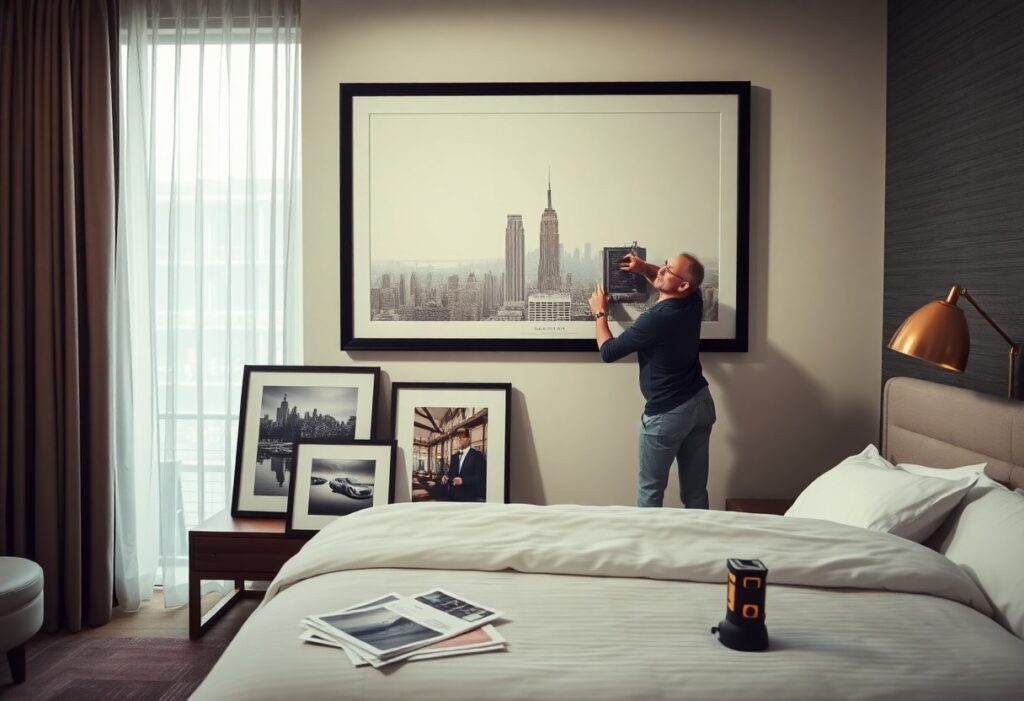
Just one piece of art can transform a hotel room from forgettable to unforgettable. I’ve seen how the right artwork creates an emotional connection, turning a simple stay into a lasting impression. You don’t need a museum budget-just a clear vision and attention to detail. The wrong choice can clash with your brand or even disturb guests, while the right piece enhances comfort, reflects identity, and sparks conversation.
Key Takeaways:
- A hotel’s artwork should align with its brand identity, such as a coastal boutique property using seascapes and driftwood sculptures to reinforce its seaside character, ensuring guests absorb the atmosphere the moment they step into the room.
- Original, locally sourced pieces-like a commissioned painting from a nearby artist or a photograph of a landmark neighborhood-create a stronger emotional connection than mass-produced prints, making the stay feel more authentic and place-specific.
- Scale and placement matter as much as content; a large-format piece above the bed draws immediate attention, while smaller works in the bathroom or entryway should complement, not compete with, the room’s functional design.
Identifying Brand Factors for Art Selection
Brand consistency shapes how guests perceive your space, so I align artwork with established brand values, color palettes, and design language. A luxury boutique in Miami might use vibrant, locally sourced pieces, while a minimalist retreat in Portland favors subdued tones and clean lines. The hotel’s identity must guide every selection.
Aligning Visuals with Hotel Identity
I match artwork to the hotel’s architectural style and service ethos. A historic property in Charleston displays period engravings and Southern landscapes, reinforcing its heritage. Modern design hotels in urban centers often feature abstract photography or conceptual installations. The visual narrative supports the guest’s experience from arrival to checkout.
Understanding Guest Demographics and Preferences
I consider the age, cultural background, and travel purpose of the typical guest when selecting pieces. Business travelers may respond better to sleek, neutral compositions, while families on vacation appreciate playful or regionally themed art. The emotional resonance of artwork influences guest satisfaction and recall.
When I worked with a mid-sized SaaS firm converting their downtown property into a hybrid business-leisure hotel, we analyzed check-in data and guest feedback to shape the art program. Young professionals from tech industries preferred contemporary digital art with interactive elements, while international visitors showed stronger connections to culturally authentic pieces. I now prioritize guest segmentation before finalizing any collection, ensuring the artwork speaks directly to those most likely to stay. A ski lodge in Aspen, for example, replaced generic mountain prints with original works by local artists depicting Indigenous winter traditions, resulting in longer guest dwell times in common areas and increased social media tagging. The context of the viewer matters as much as the quality of the piece.
How to Source Artwork That Tells a Story
I look for pieces that reflect the destination’s soul, not just its scenery. A painting of a fisherman mending nets in a coastal village does more than decorate-it invites guests into a quiet moment of local life. I often find these narratives through galleries or cultural centers, but one reliable starting point is Choosing The Right Artwork for Hotel Interiors, which outlines how imagery can align with guest experience.
Connecting with Local Artists and Culture
I prioritize collaborations with artists from the region, ensuring authenticity in every brushstroke. A ceramicist from Oaxaca contributed custom wall pieces for a boutique property in Mexico, each infused with Zapotec symbolism. These works don’t just fill space-they carry lineage, and guests respond to that genuine connection in ways mass-produced art can’t replicate.
Building a Narrative Through Thematic Consistency
I build visual stories room by room using recurring motifs, like vintage maps in a historic district hotel. Each floor follows a decade, from 1920s jazz scenes to 1970s street photography. This layered approach turns corridors into timelines, giving guests a sense of progression and place without a single word of explanation.
Thematic consistency means more than repeating a color or subject-it’s about crafting an arc. In a wine country inn, I used archival grape harvest photos, soil composition sketches, and interviews with vintners framed as art panels. The result was a guest journey from vine to bottle, unfolding naturally across common areas and suites. One traveler mentioned tracing the entire process while walking to breakfast, which confirmed the power of intentional sequencing.
Essential Tips for Choosing the Right Medium
Selecting the right medium shapes how guests emotionally connect with a space. I prioritize pieces that reflect the hotel’s character while ensuring durability. Photography captures real moments, while abstract paintings invite interpretation. Materials must withstand frequent cleaning and sunlight exposure. This Hotel Artwork: A Comprehensive Selection Guide offers practical insights for lasting impact.
Evaluating Photography versus Abstract Paintings
Photography grounds a room in place and time, ideal for showcasing local landmarks or cultural moments. Abstract paintings, on the other hand, offer flexibility, allowing guests to project their own meaning. I choose photography when authenticity is key, and abstraction when I want to evoke mood without literal reference. This
Selecting High-Quality Materials for Longevity
Frames made from solid wood or aluminum resist warping in high-traffic areas. I specify UV-protective glass to prevent fading from sunlight exposure. Canvas prints mounted on stable substrates last longer than paper-based alternatives. This
Using archival inks and acid-free matting prevents discoloration over time, especially in rooms with large windows. I avoid materials that degrade with humidity fluctuations, such as unsealed wood or low-grade laminates. Fire-rated backing is non-negotiable for compliance and safety. This ensures every piece remains intact and visually consistent through years of guest turnover.
How to Determine Placement and Scale for Impact
I start by standing in the doorway of a room, observing where the eye lands first. That spot demands artwork with presence, not clutter. If you’re unsure where to begin, Scared To Choose Art? We Showed Our Photographer … offers a real-life walkthrough that demystifies selection through spatial intuition. Scale follows sightlines-too small feels timid, too large overwhelms.
Sizing Artwork to Complement Room Dimensions
A single large piece above the bed should span 60 to 75 percent of the headboard’s width for balanced proportion. In a standard 10-foot wall, I avoid filling space with three small frames; instead, I opt for one 36×48 inch piece or a cohesive diptych. Undersized art recedes visually, making even spacious rooms feel disjointed.
Strategic Positioning for Immediate Visual Recognition
I place focal artworks at eye level upon entry-typically 57 to 60 inches from floor to center-so guests register them instantly. Mirrors and reflective surfaces amplify this effect in narrow hallways or compact bathrooms. Positioning matters more than size when guiding attention through a room’s flow.
When I assess a guest room, I consider the path from door to bed as a narrative arc. Artworks act as visual waypoints, with the largest piece serving as the climax. I’ve seen a simple abstract canvas in deep indigo transform an otherwise forgettable corner simply because it sat directly opposite the entrance, framed by lighting. The guest remembers the feeling, not just the image.
Practical Factors for Maintenance and Safety
Art in guest rooms must withstand frequent cleaning, accidental impacts, and varying humidity levels. I prioritize materials that resist fading, warping, and surface damage while meeting fire safety codes. Non-toxic finishes and shatter-resistant glazing protect both guests and housekeeping staff. Recognizing that durability directly affects long-term guest perception, I always test samples under real-world conditions before full rollout.
- Use non-toxic finishes to ensure guest safety
- Select shatter-resistant glass or acrylic for framing
- Choose fire-rated materials compliant with local codes
- Opt for easy-to-clean surfaces that resist fingerprints and smudges
- Ensure all hardware supports secure mounting on drywall or paneling
Investing in Protective Framing and UV Coating
I always specify UV-protective glazing to prevent color degradation from sunlight exposure, especially in rooms with large windows. A mid-sized SaaS firm learned this the hard way when uncoated prints faded within eight months. Protective framing with sealed backs keeps dust and moisture out, preserving the piece’s integrity over time.
Implementing Secure Anti-Theft Mounting Systems
I install low-profile locking brackets that make removal difficult without tools, deterring opportunistic theft. These systems work seamlessly with standard wall materials and don’t compromise the artwork’s appearance. Recognizing that high-turnover properties face greater risk, I prioritize discreet but effective hardware.
Security begins with the mounting method, not just the frame. I use recessed wall anchors paired with tamper-resistant screws that require special bits for access, making quick removal nearly impossible. Some properties I’ve advised integrate GPS-enabled tags behind larger pieces, allowing tracking if stolen. These systems are especially effective in urban locations where resale of small, portable art is more common. Recognizing that prevention is more cost-effective than replacement, I recommend layered solutions tailored to the property’s risk profile.
Tips for Balancing Quality with Budget Constraints
Smart budgeting in art selection means focusing on long-term value rather than upfront cost. I prioritize durable materials and frames that resist wear from frequent guest use. Sourcing from emerging artists or local galleries often reduces acquisition costs while supporting original work. Commissioning smaller original pieces for key spaces and supplementing with high-quality reproductions balances impact and expense. This
- Choose durable frames and UV-protected glass to reduce replacement needs
- Invest in original art selectively, focusing on high-visibility areas
- Use limited edition prints to maintain exclusivity at lower cost
- Negotiate bulk pricing when outfitting multiple rooms
- Partner with art consultants who offer rental or loan programs
Prioritizing Investment in Signature Pieces
A single bold artwork above the bed or behind the desk can define a room’s character without requiring wall-to-wall originals. I allocate more of the budget to one statement piece per room, ensuring it aligns with the property’s aesthetic narrative. This
Managing Costs Through Limited Edition Prints
Limited edition prints offer collectible appeal without the price of originals, especially when signed and numbered by the artist. I use them in twin rooms or secondary spaces where impact matters but budgets are tighter. This
When I source limited edition prints, I verify authenticity through certificates and direct artist or gallery partnerships to avoid unauthorized reproductions. Editions of 50 to 150 pieces maintain a sense of rarity while being accessible for large properties. Using archival inks and museum-grade paper ensures the prints withstand years of display without fading, preserving the room’s polished appearance over time.
To wrap up
I choose artwork that aligns with the hotel’s identity while resonating emotionally with guests, because a piece that reflects local culture or authentic storytelling stays with people long after checkout. You don’t need the most expensive pieces-your guests respond more to intentionality than price tags. I always consider durability and lighting, ensuring each selection remains impactful over time without excessive upkeep. A single well-placed photograph of a nearby mountain range, framed simply and lit softly, can become a focal point that defines a guest’s entire stay.