
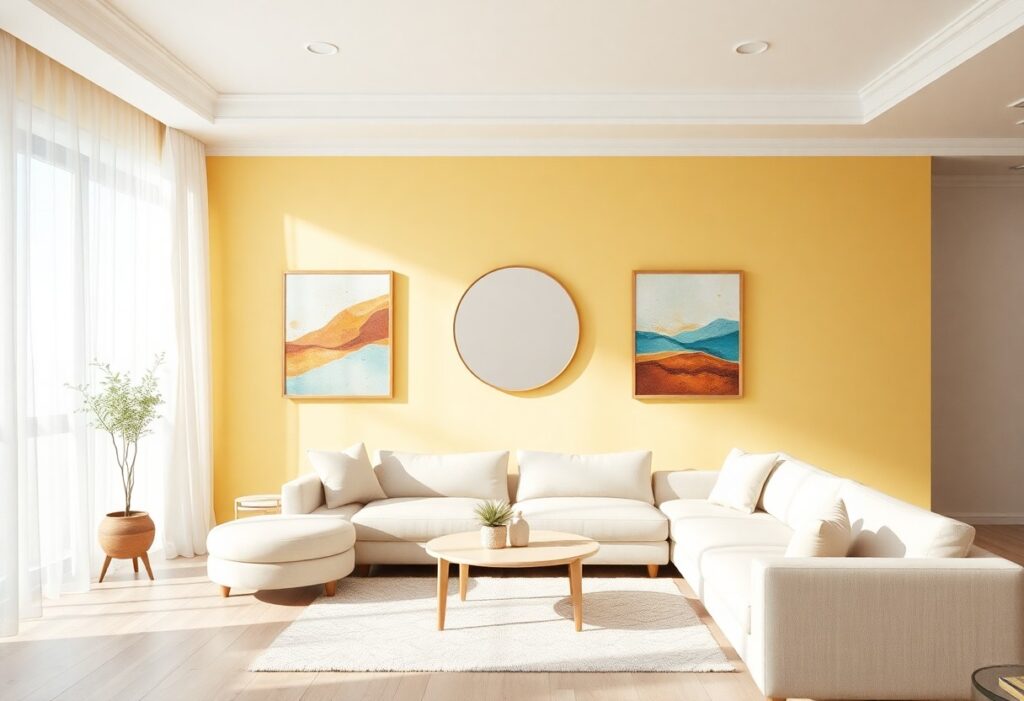
There’s something about a dim room that can feel cozy at first but eventually starts to drag down your mood. I’ve been there, staring at shadowy corners and wishing natural light reached just a little further. The good news is, you don’t need to knock down walls or install skylights. With the right paint colors, reflective surfaces, and strategically chosen artwork, you can make your space feel noticeably brighter and more inviting-using only what’s already within your reach.
Key Takeaways:
- A soft white or pale gray paint can reflect available light more effectively than deeper tones, helping a room feel airier and more open, especially when applied to walls and trim.
- Positioning a large mirror directly across from a window can double the effect of natural light, as seen in a Brooklyn brownstone where a gilded antique mirror made a narrow hallway feel twice as wide.
- Choosing artwork with light-colored borders or painted edges-such as a canvas with a white float frame-draws the eye outward and prevents heavy, dark frames from absorbing too much light in low-lit spaces.
Assessing Your Room’s Lighting Factors
Before choosing colors or artwork, I consider how light moves through your space. Natural light, artificial sources, and room orientation all influence brightness. I pay attention to window size and placement, since direct sunlight can transform a dim corner. Reflective surfaces respond differently depending on light quality. Thou can’t change your home’s structure, but understanding these elements helps you work with what you’ve got.
Identifying where natural light enters the room
I start by walking through your space at different times of day to see where sunlight lands. Large windows, glass doors, or skylights are key entry points. I notice if light comes from one side or wraps around corners, as this affects how evenly lit your walls appear. Spotting these patterns helps me plan where to hang reflective decor or lighter paint.
Understanding how your room’s orientation affects shadows
Rooms facing north often receive cooler, diffused light and cast longer shadows, especially in winter. I’ve seen east-facing rooms brighten early but turn dull by afternoon. South and west exposures usually get stronger sunlight, reducing shadow depth. Thou should observe how light angles shift from morning to evening to predict shadow behavior.
When I assess a west-facing living room, I often notice intense late-day glare followed by rapid dimming. This creates shifting shadows that can make walls feel unevenly lit. A mid-sized SaaS firm’s office I consulted had this issue-artwork on the east wall looked flat after 3 PM. By adjusting color saturation and frame reflectivity, we maintained visual balance even as natural light faded.
How to Pick the Brightest Paint Colors
When I want to make a dark room feel airier, I always start with paint-and 12 Easy Ways to Brighten a Dark Room – Simple Tips & … offers real-life inspiration that goes beyond basics. The right hue can transform a space with minimal effort, and I focus on shades that reflect the most light.
Selecting shades with a high light-reflective value
I look for paint colors labeled with a high light-reflective value (LRV), usually found on sample cards or spec sheets. Whites with an LRV above 80 bounce back the most natural light, making corners appear less shadowed and walls feel farther apart. This small detail makes a noticeable difference in how bright a room feels by day.
Using soft whites and pastels to open up the space
Soft whites and pale pastels are my go-to when I want to visually expand a compact or windowless room. These tones reflect ambient light gently, reducing visual weight and creating a sense of openness. A hint of lavender in a ceiling white or a whisper of mint in a trim color can add character without dimming the effect.
I once painted a narrow hallway in a barely-there blush, and the change surprised even me-guests commented it felt like walking into a sunlit gallery. The warmth of soft white trim against cool gray flooring balanced the light, proving that subtle contrasts in light tones can be more effective than stark brightness alone.
Helpful Tips for Using Mirrors and Glass
I’ve found that mirrors and glass can transform dim spaces by amplifying natural light. Placing a large mirror opposite a window instantly opens up the room, reflecting daylight where it’s needed most. You can also layer in glass-top tables or shelving to maintain visual lightness. How to Brighten up a Dark Room with Paintings offers smart pairings of reflective surfaces with artwork. This makes even shadowed corners feel alive.
Positioning mirrors to bounce light into dark corners
I always angle mirrors to catch sunlight from windows, especially in hallways or north-facing rooms. A well-placed mirror across from a light source can brighten a far wall within seconds. You’ll notice the difference most in the afternoon, when natural rays are low. This simple trick costs nothing but a little repositioning.
Incorporating reflective furniture and glossy accents
Glossy finishes on side tables, metallic frames, or lacquered cabinets subtly boost brightness without overwhelming your space. I like mixing in a few reflective pieces that catch lamplight at night. You don’t need many-just enough to create flickers of light. This keeps the room feeling warm and layered.
One of my favorite tricks is using a high-gloss console table behind a lamp-it throws soft light back into the room after dark. Metallic legs on chairs or a glass-and-chrome bookshelf also add shine without feeling flashy. Even a ceramic vase with a glazed finish can catch and scatter light in unexpected ways. This attention to detail makes a room feel consistently brighter.
How to Select Artwork for Darker Walls
When I hang art on deeper walls, I look for pieces that act like quiet sources of light. The right artwork doesn’t just decorate-it helps balance the room’s energy. I focus on light-toned backgrounds and frames that don’t weigh down the space, letting the piece stand out without strain.
Picking pieces with light backgrounds and vibrant tones
I always choose artwork with pale or white backgrounds when hanging on dark walls. A soft base lets colors pop without clashing, and bright hues like coral, sky blue, or mustard add cheerful contrast. I once hung a floral print with a cream canvas on a charcoal wall, and it felt like a window had opened.
Choosing thin or metallic frames for a lighter feel
I avoid thick, heavy frames because they can make a piece feel like it’s sinking into the wall. Instead, I go for slim profiles in silver, gold, or brushed nickel. These reflect ambient light subtly and give the illusion of airiness, helping the artwork float rather than drag.
Thin frames in metallic finishes don’t just look modern-they interact with light throughout the day. I noticed in my own living room that a small gold-toned frame caught the late afternoon glow, casting a faint shimmer on the wall. That tiny reflection made the whole corner feel more alive, proving that even small details can have a noticeable impact in low-light spaces.
Pro Tips for Illuminating Your Art
To make your artwork truly stand out in a dim room, I focus on smart lighting and placement. Dedicated picture lights add targeted brightness, while layered lighting creates depth and dimension. I always position lights to avoid glare and highlight texture. This
Installing dedicated picture lights for extra glow
I install slim, adjustable picture lights above framed pieces to cast an even, downward glow. These small fixtures draw attention without overwhelming the space. Using warm-toned LED bulbs enhances the colors in the artwork. This
Using layered lighting to highlight your favorite pieces
I combine overhead, ambient, and accent lights to give depth to a wall gallery. A floor lamp behind a chair can bounce light forward, softly illuminating nearby art. This
Layering allows me to control how each piece is seen at different times of day. For example, I use a small wall sconce to graze light across a textured canvas, emphasizing its brushstrokes. Dimmer switches let me adjust brightness depending on natural light levels. This
Quick Decor Tips for a Sunnier Feel
- Replace heavy curtains with sheer fabrics to invite more natural light
- Introduce bright accessories like throw pillows and rugs in sunny tones
- Hang light-reflecting decor such as glass vases or metallic frames
- Keep surfaces clutter-free to allow light to travel freely
After testing a few changes, I noticed how much more open and cheerful the space felt.
Swapping heavy drapes for sheer, breezy fabrics
I replaced my thick, dark curtains with soft, white linen ones and instantly saw more daylight spread across the floor. The room feels airier now, and the fabric gently diffuses afternoon light without blocking it. Sheer panels make a surprisingly big difference, especially in rooms facing north.
Adding colorful accessories to lift the room’s mood
A few bright cushions or a boldly patterned rug can shift the entire energy of a dim space. I once added a coral throw and matching ceramic bowl to my gray-toned living nook, and the warmth surprised even me. Colorful accessories are low-cost, easy to change, and bring instant vibrancy.
One corner of my study used to feel gloomy, even with a lamp on. I placed a turquoise notebook, a yellow coaster, and a small red plant pot on the desk, and suddenly it felt more inviting. These small splashes of color draw your eye and create focal points that distract from shadows. Even a single vibrant object can act like a light source in a visual sense, making the brain perceive more brightness.
Final words
I’ve found that even the dimmest room can feel airy and inviting with a few thoughtful choices. I use soft whites on the walls and hang light-reflecting artwork where the morning sun hits just right. You don’t need a full renovation-your space can feel brighter with just a new frame or a small mirror placed near a lamp. I always keep a single yellow canvas in my hallway, and it’s amazing how much warmth it adds by late afternoon.