
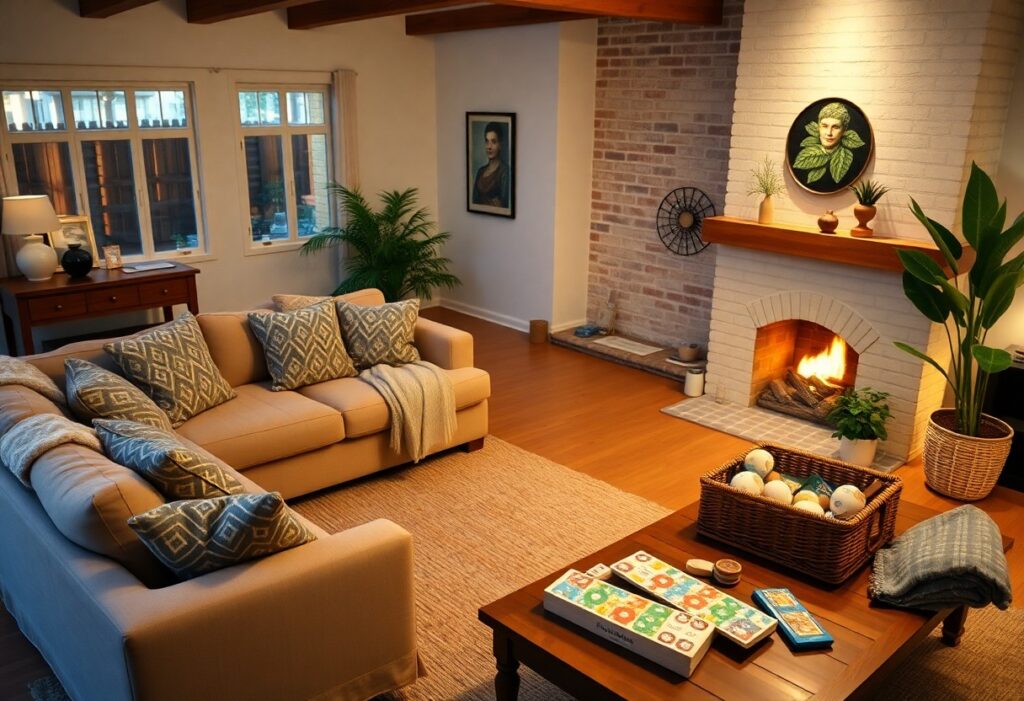
There’s something special about seeing your living room fill with laughter, the smell of shared meals, and the comfort of loved ones settling in. I’ve learned that small, thoughtful changes make a big difference in how welcoming your space feels. You don’t need a renovation-just a few intentional tweaks to help everyone relax and connect more easily.
Key Takeaways:
- A well-lit space with layered lighting-such as floor lamps, string lights, and candles-creates a cozy atmosphere that encourages relaxed conversation, especially during evening gatherings.
- Arranging seating in small clusters rather than one large circle allows for multiple conversations to happen naturally, making guests feel more at ease, particularly when mixing close family and extended relatives.
- Designating specific zones for different activities, like a quiet corner with books for introverted guests or a cleared play area with toys for young children, helps everyone find their comfort level without feeling overwhelmed.
Setting a Warm and Welcoming Mood
I focus on small sensory details that make guests feel instantly at ease. Soft lighting, familiar scents, and gentle background music work together to create a relaxed atmosphere. These elements don’t require much effort, but they have the strongest impact on how people experience your home. It’s not about perfection-it’s about warmth.
How to use soft lighting to create a cozy glow
I turn off overhead lights and rely on lamps, candles, and string lights instead. This layered lighting adds depth and softness to every room. Warm-toned bulbs make skin glow and shadows gentle, helping everyone feel more relaxed. A dimmer switch in the living area gives me full control over the mood as the evening unfolds.
Choosing the right scents to make guests feel at home
I light a vanilla or baked apple candle an hour before guests arrive. These familiar, comforting notes feel welcoming without being overpowering. Citrus or fresh linen scents work well in bathrooms, giving a clean, uplifting vibe. I avoid anything too strong-subtlety is key to making scent feel like part of the background warmth.
One winter, I simmered orange peels, cinnamon sticks, and cloves on the stove while hosting, and multiple guests asked for the recipe. Now I keep a small bowl of dried lavender on the coffee table-it looks simple but releases a calming fragrance when someone brushes past. Scents tied to positive memories can make your home feel like a natural extension of comfort, almost like a favorite sweater in room form.
Rearranging Your Space for Better Flow
I shift furniture away from tight corners to open up conversation zones, making it easier for everyone to connect. A well-placed rug can define a seating area without walls, guiding how people naturally gather. Even small adjustments, like turning a sofa to face the kitchen, invite more interaction during casual get-togethers.
Tips for adding extra seating without the clutter
Instead of bulky extras, I use foldable chairs and ottomans with storage that tuck neatly when not in use. A window bench with hidden compartments holds blankets and doubles as a seat. Perceiving comfort as flexible helps keep the space inviting and uncluttered.
- Use nesting stools that stack under a console when not needed
- Choose benches that slide under tables or fit along walls
- Opt for lightweight chairs in a closet or behind a screen
Creating easy pathways for everyone to move around
I always leave at least 30 inches between furniture pieces so guests can walk through without squeezing. This matters most near doorways, the kitchen, and restrooms. Clear paths help older relatives and little ones move safely, making the whole space feel more relaxed.
When I hosted my aunt who uses a walker, I realized how tight our hallway felt with a side table blocking half the route. Removing it opened up access and made her feel more included, not like she was navigating an obstacle course. Simple changes like this remove invisible barriers and let everyone feel at ease.
Essential Factors for Physical Comfort
Comfort starts with thoughtful details that make your space feel inviting and functional. I always ensure seating supports long conversations, with soft cushions and ergonomic support in key chairs. A mid-sized SaaS firm might prioritize efficiency, but in my home, I prioritize relaxation and ease. Temperature, room for belongings, and accessible seating make a real difference when hosting. How to create a cozy living room for family gatherings? Thou should never underestimate the impact of a well-prepared room.
Keeping the temperature just right for a full house
Body heat from guests can raise a room’s temperature quickly, especially in winter when layers come off. I adjust the thermostat slightly lower before everyone arrives, aiming for a steady, balanced climate that avoids stuffiness. Using a smart thermostat helps maintain consistency without constant checking.
| Situation | Recommended Action |
|---|---|
| Winter gathering with coats indoors | Set thermostat to 68°F and use ceiling fans to circulate warm air |
| Summer get-together with multiple guests | Pre-cool the space by 30 minutes and use fans for airflow |
Making sure there is plenty of room for coats and bags
Guests feel more at ease when they’re not juggling outerwear. I clear out a closet or set up a designated spot near the entry with hooks or a bench. This small gesture reduces clutter and makes arrivals smoother.
Having a dedicated drop zone prevents coats from piling on dining chairs or sofas. I use a rustic wooden rack by the front door and add a basket for gloves and scarves. When space is tight, even a freestanding hook strip can handle a surprising number of jackets, keeping pathways clear and your guests comfortable.
How to Set Up a Stress-Free Dining Area
I keep the dining area simple and functional, focusing on ease of movement and comfort. A round table often works better than a rectangular one, encouraging conversation and reducing the chance of someone bumping into chairs. I leave at least 36 inches between the table and walls so guests can pull out chairs without squeezing. Using unbreakable dishware helps me relax, knowing a dropped plate won’t mean a mess or embarrassment. Lighting matters too-soft overheads or a few candles make the space feel warm, not clinical.
Organizing a self-serve buffet for easy snacking
I arrange snacks and small plates on a side table with tongs and napkins within reach. Labeling items helps guests know what they’re trying, especially if there are allergens. Keeping the setup low and wide prevents crowding, so everyone can grab something without waiting. I include a mix of sweet, salty, and fresh options so there’s something for every craving.
Keeping drinks accessible so guests can help themselves
I set up a drink station with water, iced tea, and a signature cocktail in dispensers, so no one’s waiting on me to pour. Ice buckets, reusable cups, and bottle openers are grouped together, making it simple for guests to refill anytime. I place the station away from the main seating to reduce traffic jams.
My drink station always includes a large pitcher of infused water with lemon and mint, which I refresh every few hours. I’ve learned that placing the drinks near a side entrance or kitchen exit keeps the flow smooth, especially when people are coming and going. Using labeled dispensers helps avoid confusion, and I add a small chalkboard with serving suggestions-like “Try the lavender lemonade with a splash of sparkling water”-to make it feel a little more personal. Having everything within arm’s reach means guests rarely need to ask where anything is, and I can stay present instead of playing bartender.
Entertaining Guests of All Ages
I always aim to make everyone feel included, whether they’re five or ninety-five. A little thought goes a long way in creating a space where grandparents can chat comfortably while kids stay happily occupied. The key is balancing activity and calm, so no one feels out of place. When each guest finds their niche, the whole mood lifts naturally.
Setting up a fun and safe corner for the kids
I designate a corner with soft mats, crayons, and a few well-loved board books. Including a small table at their height makes it feel special. I keep anything breakable or electric out of reach, and I place the area where I can glance over easily. Knowing the kids are safe and entertained lets adults relax without constant interruptions.
Curating a background playlist that suits the vibe
I start with a mix of mellow acoustic covers and light jazz to keep energy warm but not overwhelming. The volume stays low enough for conversation to flow easily. Music that’s too loud or too edgy can unintentionally shut down connection. I avoid sudden shifts in tempo or language that might make some guests self-conscious.
My go-to trick is building the playlist in stages-starting with softer tracks during early arrivals, then gently weaving in familiar sing-along tunes as the group warms up. I once played a string quartet version of a popular folk song, and it sparked a story from my uncle that had everyone leaning in. These subtle musical cues can quietly guide the emotional rhythm of the whole gathering.
Adding Those Special Finishing Touches
I always find that the little details make the biggest difference when hosting family. Soft lighting, a few favorite scents, and thoughtfully placed items invite warmth and connection. For more inspiration, I love referring to this guide on 15 Easy Tips for a More Inviting Home, which offers simple yet impactful ideas that anyone can try.
Layering soft blankets and pillows for a snug feel
Throwing a chunky knit blanket over the couch or adding down-filled pillows makes seating far more inviting. I keep a basket nearby with extra throws so guests can help themselves. The texture contrast and warmth create a cozy atmosphere that encourages lingering after meals.
Using personal decor to spark great conversations
I line the mantel with framed photos from past holidays and small souvenirs from family trips. These pieces don’t just fill space-they invite stories. A cousin once spotted an old concert ticket stub and ended up sharing a hilarious memory from a road trip we’d nearly forgotten.
That concert ticket was from a 1998 Neil Young show my uncle drove six hours to see. When someone notices it, it opens the door to laughter and shared history. Personal items like handmade pottery from a niece’s first art class or a vintage recipe box from my grandmother do more than decorate-they become conversation anchors that deepen connection.
To wrap up
I always find that the little things make the biggest difference when getting my home ready for family. I light a few candles, fluff the couch pillows, and put on a playlist of songs everyone hums along to. You don’t need a big renovation-just open a few windows, pull chairs closer together, and keep snacks within reach. Last time, my niece curled up with a blanket by the bookshelf and stayed for hours, and that’s the kind of ease I’m after.