
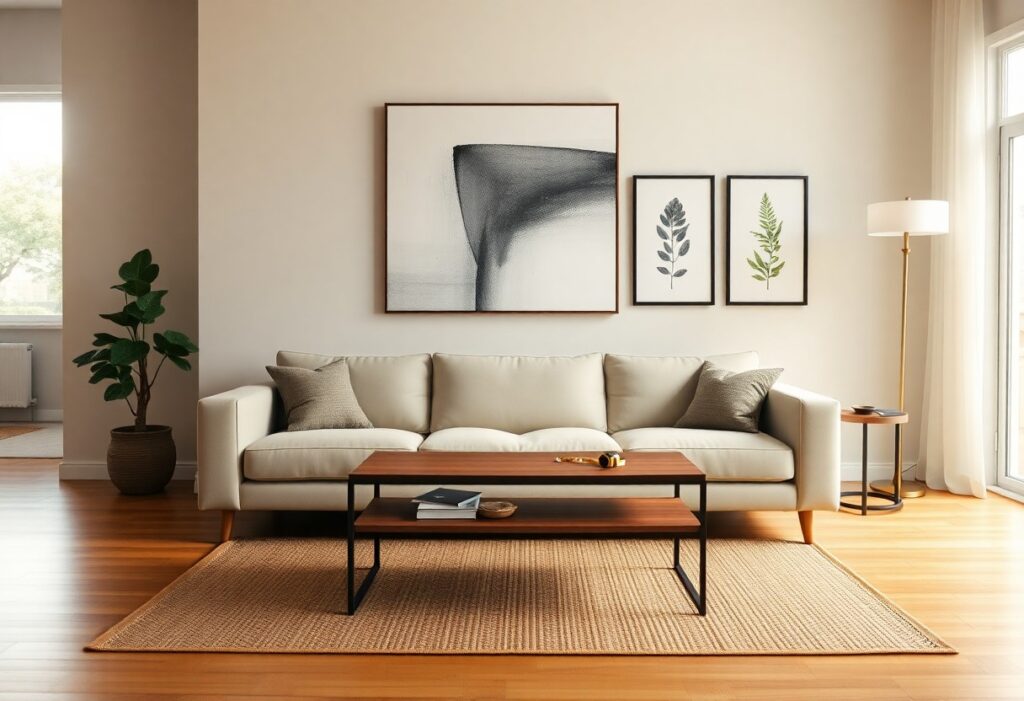
Most people overlook how powerful artwork can be in defining a room’s mood. I help you select pieces that align with your color scheme, scale, and personal style. Choosing the right art isn’t just decoration-it’s a direct reflection of your taste and can transform a space instantly. I’ll guide you through making confident, cohesive choices.
Key Takeaways:
- Match the artwork’s color palette to your room’s existing tones to create visual harmony-pull in accent colors from your furniture, rugs, or decor for a cohesive look.
- Consider the scale and proportion of the artwork in relation to the wall and surrounding furniture; a large wall calls for a larger piece or a curated gallery arrangement.
- Align the artwork’s style and mood with the room’s overall design theme-minimalist spaces suit simple, clean-lined art, while eclectic interiors can handle bold, expressive pieces.
Identifying Your Aesthetic Spirit
I look at the spaces I love most and ask myself what truly resonates-do I lean toward clean lines and neutral tones, or do I crave bold colors and eclectic textures? You’ll find your answer not in trends, but in the emotional response certain rooms evoke. Pinpointing your aesthetic spirit means honoring your instincts, not imitating magazines. When you choose art that reflects your authentic taste, it doesn’t just match your space-it completes it.
The Geometry of the Wall
I assess the wall’s shape and size before selecting any piece. A tall, narrow space demands vertical art, while wide walls suit horizontal arrangements. I always consider negative space-leaving breathing room around the artwork creates balance and prevents visual clutter. You’ll notice a mismatched proportion can overwhelm a room or get lost entirely. Trust your eye: if it feels off, it probably is.
Harmonizing the Palette
I match artwork to your space by pulling colors from your existing furnishings-this creates a cohesive flow that feels intentional. You don’t need to replicate every shade, but echoing at least one or two tones strengthens the design. Should you choose artwork based on personal taste or design rules? I say both-your emotions matter, but harmony keeps the room feeling balanced and calm.
Materiality and Texture
I pay close attention to how the physical texture of artwork interacts with my space-canvas depth, metal sheen, or wood grain all influence a room’s feel. You don’t just see texture; you feel it in the atmosphere. When choosing pieces, I ask myself: does this complement or clash with your existing surfaces? For honest insights from real people, check out this discussion on how do you all figure out art/decor for your home?-it’s helped me refine my own approach.
The Gallery Wall Philosophy
I approach gallery walls as curated visual stories, not random collections. You don’t need matching frames, but consistent spacing and intentional alignment create harmony. I often lay out arrangements on the floor first, adjusting until the composition feels balanced. Overcrowding is the biggest mistake-leave breathing room so each piece can be seen. Your wall should guide the eye, not overwhelm it.
Lighting the Masterpiece
I always assess how natural and artificial light interact with your chosen piece. The right lighting can dramatically enhance texture and color depth, turning a quiet artwork into a focal point. I position adjustable fixtures to highlight key areas without glare. You’ll want to avoid direct sunlight that can fade pigments over time-preserving your investment matters. I help you balance ambiance and protection for lasting impact.
Summing up
To wrap up, I match artwork to your interior by considering your color palette, room function, and personal style. I look at scale and frame style to ensure harmony with your furniture and walls. You don’t need expensive pieces-what matters is how the art makes you feel and how well it fits your space. I always choose pieces that reflect your taste and enhance the room’s atmosphere.