
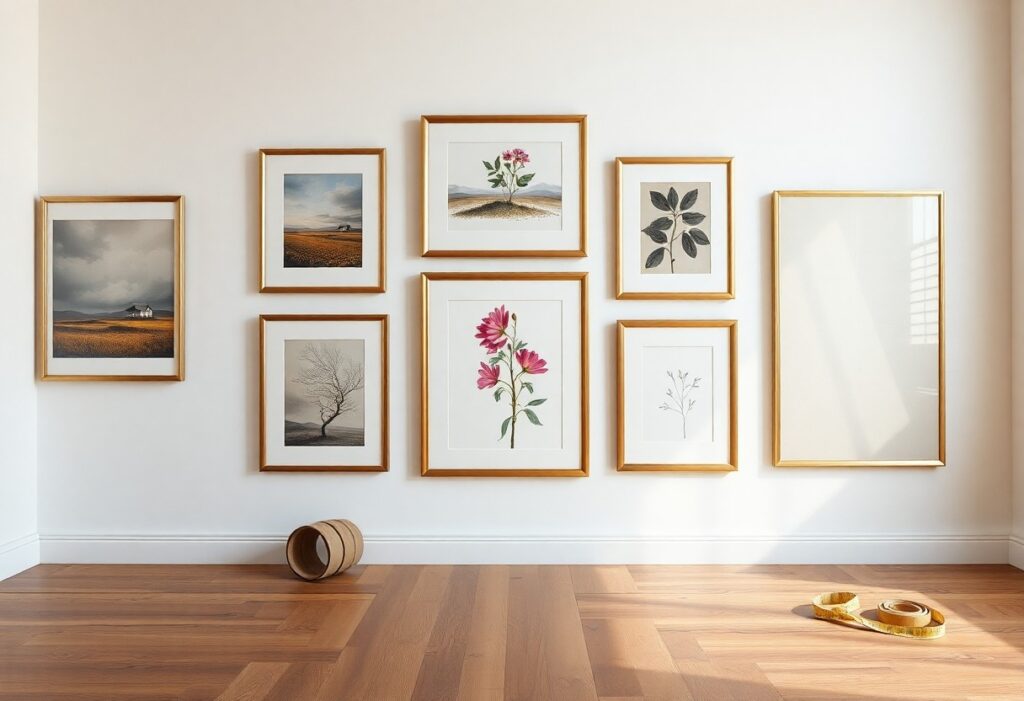
Over the years, I’ve learned that the pieces I still love on my walls aren’t the trendy prints I once rushed to buy, but the ones that felt authentic from day one. You don’t need a museum budget-just a clear eye for quality, a sense of your own taste, and attention to details like lighting and frame durability that quietly determine how well art ages.
Key Takeaways:
- A piece that resonates emotionally today should still feel authentic in a decade, like a collector who kept a bold abstract painting from their first trip to Berlin, even as their home evolved from minimalist to warm modern.
- Materials matter: archival paper, UV-protected glass, and stable frames prevent fading and warping, especially in rooms with southern exposure where sunlight intensifies over time.
- Timeless appeal often lies in restraint-art with balanced composition and a cohesive color palette, such as a muted landscape or monochromatic print, integrates more easily as decor trends shift.
Finding Your Unique and Lasting Style
I look for pieces that reflect my personality, not just what’s popular. Lasting style means choosing art that feels authentic to me, even if it’s not trending. When I connect with a piece on a personal level, it’s more likely to stay meaningful over time.
Moving beyond seasonal home decor trends
Seasonal decor often feels temporary, like holiday-themed art or fleeting color fads. I avoid these because they can quickly date a space. Choosing timeless subjects and palettes keeps my walls feeling fresh for years.
Trusting your gut feeling when a piece speaks to you
Sometimes a painting stops me mid-scroll, even online. That immediate pull-your heart skipping a beat-is worth paying attention to. If a piece stirs something deep, it’s likely to stay powerful in your space.
One rainy afternoon, I saw a small charcoal drawing in a local gallery window and couldn’t look away. It wasn’t flashy or expensive, but it felt familiar, like a memory I couldn’t name. I bought it, and five years later, it still draws comments and holds my gaze. That kind of connection isn’t about technique or trend-it’s about emotional resonance. When a piece feels like it was made for your home, even if you can’t explain why, it’s probably the right one.
Essential Factors for Longevity and Quality
Materials matter more than most realize. I always check for archival-grade support, lightfast pigments, and professional-grade craftsmanship before making a purchase. These elements prevent deterioration and maintain visual integrity over time. Any lasting piece earns its place not just through beauty, but through the quality built into every layer.
Selecting archival-grade canvases and papers
I look for canvases and papers labeled as acid-free and made from cotton or alpha-cellulose. These materials resist yellowing and brittleness, preserving the artwork’s original tone. A mid-sized SaaS firm might update its branding every few years, but my art shouldn’t need replacing for the same reason.
Looking for lightfast paints that won’t fade
Lightfastness ensures colors stay true, even in sunny rooms. I only consider paints rated for high lightfastness, especially in watercolor or acrylic, where fading is more common. Natural light enhances a piece, but only if the pigments can withstand it.
When I bought a small landscape painting ten years ago, I placed it near a south-facing window without thinking. Within three years, the vibrant blues had dulled significantly. That experience taught me to check the manufacturer’s lightfastness ratings-many artist-grade brands label each color with a scale. Now, I stick to those rated I or II, which indicate the highest resistance to fading, especially in well-lit spaces.
How to Choose the Right Size for Your Room
I always start by standing in front of the wall and imagining the energy a piece will bring, not just its dimensions. A common mistake is choosing something too small, which makes a space feel disjointed. Art should relate to the furniture beneath or around it, like a sofa or bed. If you’re unsure, I recommend checking out Scared To Choose Art? We Showed Our Photographer … for real-life examples that make it click.
Measuring your wall to find the perfect proportions
I grab a tape measure and outline the space with painter’s tape on the wall. This visual boundary helps me see what size truly fits. A piece that’s too narrow can look like an afterthought, while one that’s too wide overwhelms the architecture. I aim for artwork that covers about two-thirds to three-quarters of the furniture width beneath it.
Creating a focal point without cluttering the space
I focus on one strong piece instead of several smaller ones, especially in tighter rooms. A single large canvas draws the eye naturally and gives the wall room to breathe. Less can feel more intentional, and I’ve found that people often remember one bold statement longer than a crowded gallery wall.
When I designed my guest bedroom, I chose a 36×48 inch abstract painting above the bed instead of a pair of matching prints. The scale felt bold but balanced, and it anchored the whole room without needing side tables or extra decor. Over time, that single piece has stayed interesting because it doesn’t compete with anything else. It has space to be seen, and I still notice new details in the brushwork every few months.
Pro Tips for Protecting Your Art Collection
I always recommend using professional framing with UV-protective glass to prevent fading, especially in bright rooms. Keep pieces away from humidity and direct sunlight, which can warp paper and crack paint over time. For more ideas, check out this discussion on What are tips for choosing wall art that brings back …. This helps preserve both value and beauty for decades.
Using professional framing with UV protection
I trust only frames with UV-filtering plexiglass for my favorite prints. Regular glass lets in harmful rays that fade pigments, especially in watercolors. A mid-sized SaaS firm founder I know lost significant value on a limited edition due to sun exposure. This makes UV protection non-negotiable for lasting vibrancy.
Avoiding direct sunlight and humid areas
I never hang paper-based art in south-facing rooms with all-day light. Sunlight causes irreversible fading, while humidity invites mold and buckling. Bathrooms and kitchens are especially risky for delicate mediums. This prevents avoidable damage from environmental exposure.
One collector I spoke with stored a vintage poster above a radiator, thinking the warmth was harmless. Within two years, the paper had yellowed and cracked at the edges. Even brief exposure to sunlight during afternoon hours can accelerate deterioration, especially for ink and natural pigments. Keeping art in stable, climate-controlled spaces makes a visible difference over time. This ensures the piece remains as vivid as the day you brought it home.
Buying Art That Tells a Meaningful Story
I look for pieces that carry a narrative depth, something beyond surface beauty. Art that holds a story-whether about the artist’s life, a cultural moment, or a quiet human truth-tends to stay emotionally resonant over time. These works invite repeated viewing, revealing new layers as my own life changes.
Connecting with the artist’s personal journey
Learning about an artist’s background often deepens my connection to their work. When I know the struggles or triumphs behind a piece, like a painter rebuilding their practice after injury, the artwork feels more alive and authentic in my space.
Selecting subjects that reflect your long-term values
I pay attention to themes that align with what I care about deeply, like sustainability or community. A simple print of a quiet forest or a portrait of intergenerational family bonds can quietly reinforce the values I want to live with daily.
One mid-sized SaaS firm founder I spoke with chose a series of textile artworks made from reclaimed fabric, each piece tied to a different region’s craft tradition. It wasn’t just about aesthetics-it reflected their long-standing commitment to ethical production. That kind of alignment between subject and belief makes the art feel timeless, not trendy.
Final Words
I still remember the first painting I bought that aged beautifully over time, a simple landscape with colors that softened just right as the years passed. When you choose pieces that speak to you personally and are made with care, they tend to stay meaningful and visually pleasing long after the trend cycle moves on. I’ve learned that trusting your own eye often leads to choices you won’t regret, even a decade down the line.